Types of Translation Services and Service Providers
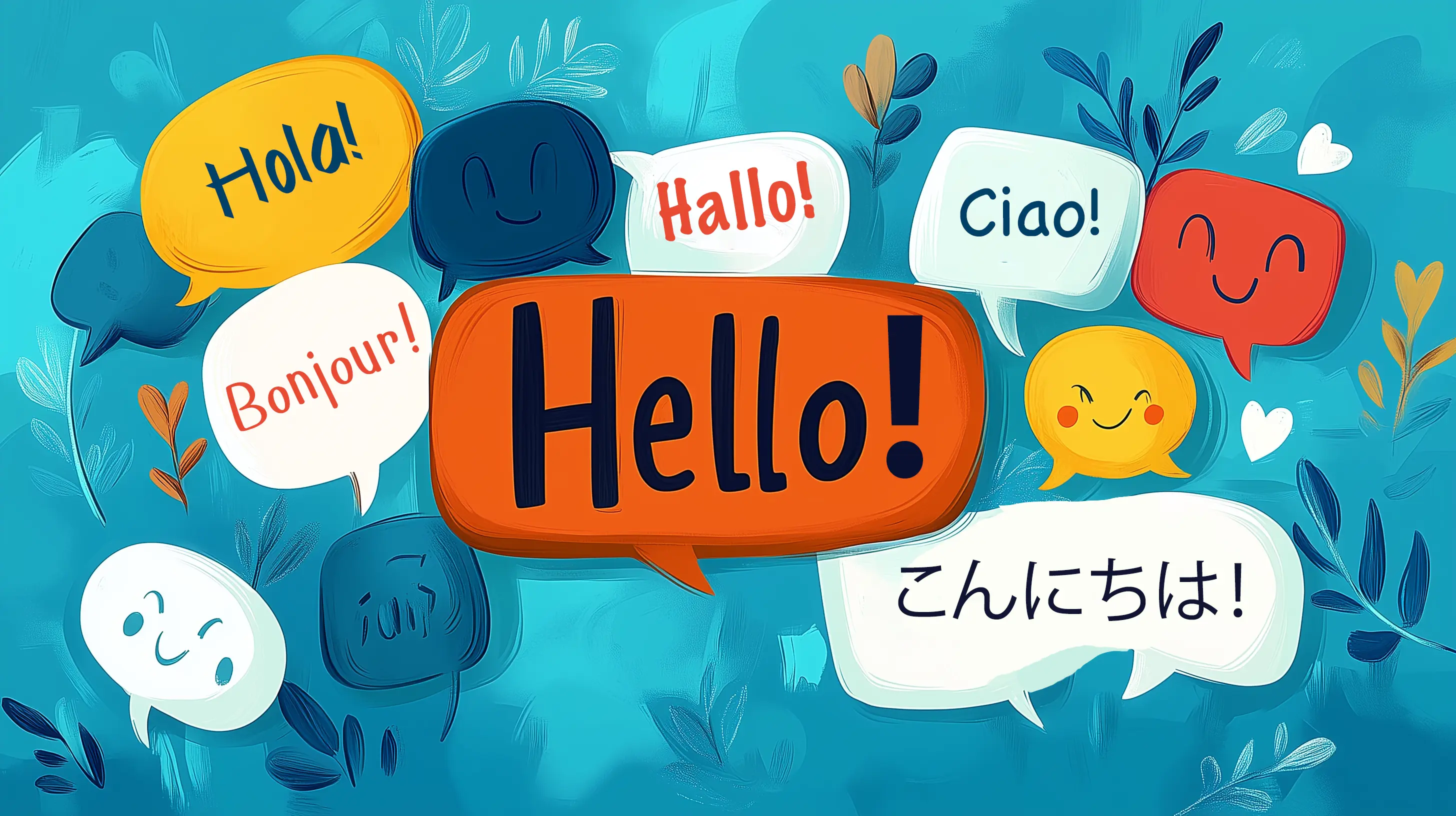
Translation services come in various forms, each suited to different needs and contexts. Understanding these types and the providers who offer them can help you make informed decisions for your translation projects.
Types of Translation
- Free Translation
Free translation focuses on conveying the general meaning of the source text without strict adherence to its original structure or style. This approach prioritizes readability and natural flow in the target language, often adapting cultural references and idioms to resonate with the target audience.
- Interpretative Translation
Interpretative translation goes beyond mere word-for-word conversion, aiming to capture and convey the intent, tone, and nuances of the original text. This method requires a deep understanding of both the source and target cultures, allowing translators to make judgment calls on how best to express complex ideas or emotions.
- Literal Translation
Literal translation attempts to stay as close as possible to the original text's structure and wording. While this can be useful for certain technical or legal documents where precise wording is crucial, it may result in awkward phrasing or loss of natural flow in the target language.
Translation Service Providers
Automated Translation
Automated translation, often referred to as machine translation, uses artificial intelligence and algorithms to translate text from one language to another. Automated translation has made significant strides in recent years, particularly with the advent of neural machine translation. Some systems now offer customization options, allowing users to train the AI on specific terminology or style guides. This can improve accuracy for specialized content. However, even the most advanced systems still require human post-editing for professional-grade translations.
What it offers:
- Instant translations
- Ability to handle large volumes of text quickly
- Often free or low-cost for basic use
Pros:
- Speed and convenience
- Cost-effective for getting the gist of content
- Continuously improving technology
Cons:
- Lower accuracy, especially for complex or nuanced text
- Lack of cultural context and adaptation
- Potential for embarrassing errors in professional settings
Freelance Translator
Freelance translators are independent professionals who offer their services directly to clients. They often specialize in particular industries or types of content, such as legal, medical, technical, or literary translation. This specialization allows them to develop deep subject matter expertise, which can be invaluable for accurate and contextually appropriate translations. Many freelancers also invest in professional development and stay updated with the latest translation technologies to enhance their services.
What they offer:
- Personalized service
- Expertise in specific fields or language pairs
- Flexibility in terms of project scope and deadlines
Pros:
- Direct communication with the translator
- Often more affordable than agencies
- Potential for building long-term relationships
Cons:
- Limited availability for large or urgent projects
- Lack of additional services like editing or proofreading
- No backup in case of illness or emergencies
Translation Agency
Translation agencies are companies that provide a range of language services, often employing or contracting multiple translators. Many translation agencies have evolved to offer comprehensive language solutions beyond just translation. These may include interpretation services, multilingual SEO, transcreation for marketing materials, and even cultural consulting. Some agencies also leverage technology, using translation management systems and AI-assisted tools to streamline processes and ensure consistency across large projects or ongoing collaborations.
What they offer:
- Wide range of language pairs and specializations
- Additional services like editing, proofreading, and localization
- Project management and quality assurance
Pros:
- Can handle large volumes and tight deadlines
- Consistent availability and backup translators
- Often have established quality control processes
Cons:
- Generally more expensive than freelancers
- Less direct contact with individual translators
- Potential for less personalized service
Conclusion
The choice of translation type and service provider depends on various factors, including the nature of your project, budget, timeline, and quality requirements. While automated translation offers speed and cost-effectiveness for basic needs, it falls short in accuracy and nuance. Freelance translators provide personalized service and expertise but may have limitations in terms of capacity and additional services. Translation agencies offer comprehensive solutions with quality assurance but at a higher cost. Consider your specific needs carefully to determine the best fit for your translation projects.
Back to blog