Digital Flipbooks: Bringing Print Media to Life Online
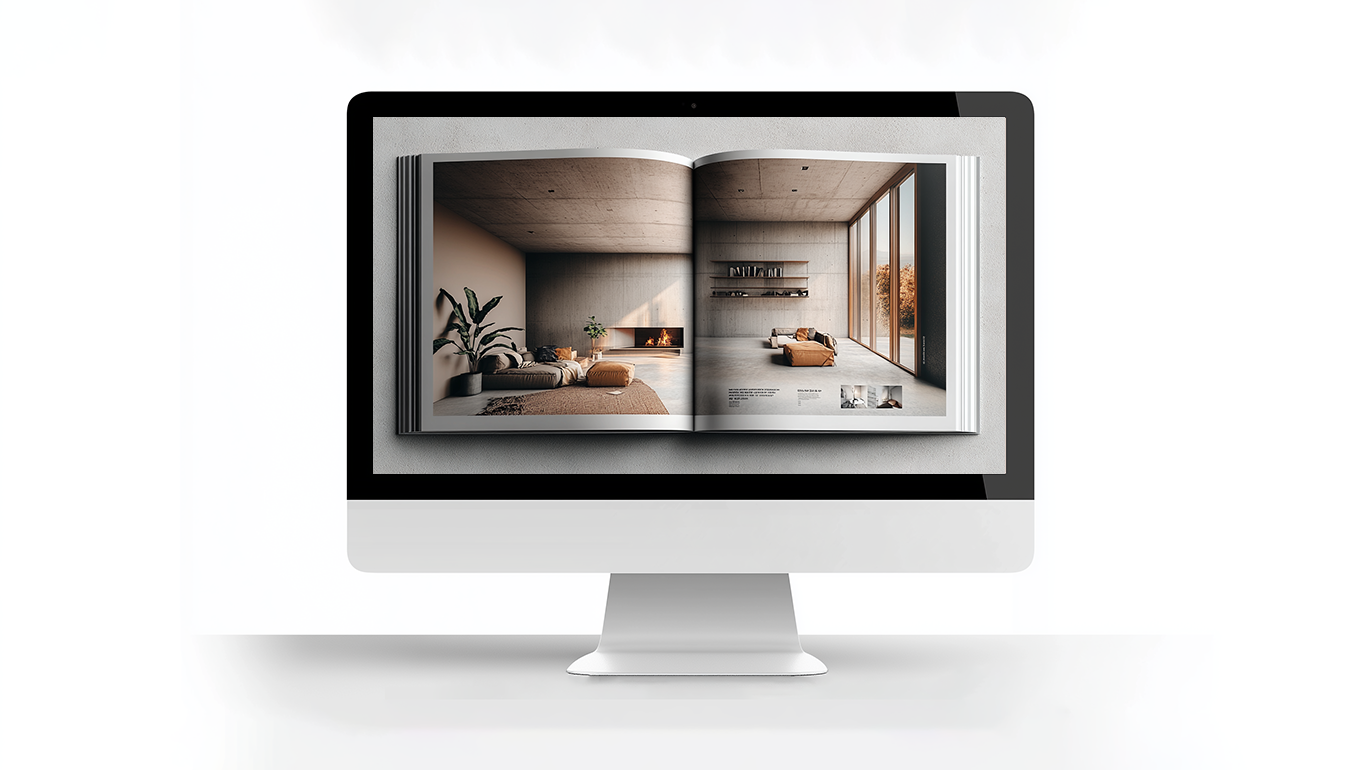
As our world becomes increasingly digitized, businesses and content creators continually search for innovative methods to present information and captivate their audience. Digital flipbooks have emerged as a dynamic and interactive solution, effectively bridging the divide between traditional print media and modern digital experiences. This article delves into the realm of digital flipbooks, exploring their features, applications, and how they compare to static PDFs.
What is a Digital Flipbook?
A digital flipbook is an online publication that mimics the experience of reading a physical book or magazine. It allows users to "flip" through pages with realistic page-turning animations, creating an engaging and intuitive reading experience. Unlike static documents, flipbooks often incorporate multimedia elements, making them a versatile tool for various applications.
Digital Flipbook Features
- Page-turning animations
- Zoom functionality
- Clickable table of contents
- Embedded multimedia (videos, audio, links)
- Search capabilities
- Social media sharing options
- Analytics tracking
What is it Used For?
Digital flipbooks are used to present a wide range of content in an interactive and visually appealing format. They're particularly effective for:
- Product catalogs
- Digital magazines and newspapers
- Annual reports
- Educational materials
- Portfolios
- Brochures and marketing materials
- Digital menus for restaurants
Who Uses Flipbooks?
Digital flipbooks have found widespread adoption across various sectors and industries. Their versatility and engaging format make them valuable tools for a diverse range of users:
- Businesses (small to large enterprises): Companies use flipbooks for product catalogs, annual reports, and internal communications. Retailers leverage them for interactive lookbooks, while tech firms might use them for user manuals or white papers.
- Publishers: Magazine and newspaper publishers are increasingly turning to flipbooks to create digital editions of their publications, offering subscribers an interactive reading experience.
- Educational institutions: Schools, colleges, and universities utilize flipbooks for creating engaging textbooks, course materials, and student handbooks. They're also popular for showcasing student work and creating alumni magazines.
- Marketing agencies: These firms create flipbooks for their clients, ranging from digital brochures to interactive product presentations, helping brands stand out in crowded markets.
- Restaurants and hospitality businesses: From digital menus to hotel brochures, flipbooks offer an attractive way to present offerings and amenities to potential customers.
- Freelance professionals: Photographers, designers, and artists use flipbooks to create captivating online portfolios that showcase their work in an interactive format.
- Non-profit organizations: Charities and NGOs leverage flipbooks for annual reports, donor communications, and campaign materials, making their message more engaging and shareable.
- Real estate agencies: Realtors use flipbooks to create virtual property brochures, allowing potential buyers to tour homes and neighborhoods from their devices.
- Event planners: These professionals use flipbooks for event programs, wedding planners, and conference schedules, providing attendees with interactive guides.
- Government agencies: Local and national government bodies are adopting flipbooks for public reports, citizen guides, and informational materials, making complex information more accessible to the public.
The appeal of digital flipbooks lies in their ability to present information in a format that's both familiar (mimicking physical pages) and modern (incorporating digital interactivity). This broad appeal explains why such a diverse array of individuals and organizations have embraced this technology as part of their digital communication strategies.
Differences Between a Flipbook and PDF
While PDFs are widely used, digital flipbooks offer several advantages:
- Interactivity: Flipbooks provide a more engaging experience with page-turning effects and multimedia integration.
- Analytics: Many flipbook platforms offer built-in analytics to track reader engagement.
- Accessibility: Flipbooks are often optimized for various devices and can be easily shared online.
- SEO-friendly: Unlike PDFs, flipbook content can be indexed by search engines, improving online visibility.
- Easy updates: Many flipbook platforms allow for real-time content updates without requiring readers to download new files.
Popular Flipbook Software Examples
- Flipsnack: A versatile platform that offers a user-friendly interface and a wide range of customization options. It's known for its drag-and-drop editor and extensive template library.
- FlipHTML5: This software stands out for its HTML5-based flipbooks, ensuring compatibility across various devices. It offers both cloud-based and desktop solutions for creating interactive publications.
- Issuu: A popular choice for digital publishing, Issuu provides a sleek reading experience and robust analytics. It's particularly favored by magazine publishers and content marketers.
- Flipbuilder: Known for its professional-grade output, Flipbuilder offers advanced features like e-commerce integration and multi-language support. It's suitable for businesses looking to create high-quality catalogs and brochures.
- Yumpu: This platform emphasizes ease of use and quick PDF-to-flipbook conversion. It offers a free tier and is popular among small businesses and individuals new to digital publishing.
Conclusion
Digital flipbooks represent a powerful tool for creating engaging, interactive content in the digital age. By combining the familiar feel of print media with the dynamic capabilities of digital technology, flipbooks offer a unique way to present information and captivate audiences. As businesses and content creators continue to seek innovative ways to stand out in the crowded digital landscape, digital flipbooks are likely to play an increasingly important role in online communication and marketing strategies.
Back to blog